
Here in Hattiesburg, we know a thing or two about hot, humid summers. While the warm weather is great for sweet tea on the porch, it presents unique challenges for maintaining local infrastructure. If you are considering a new driveway or commercial parking lot, understanding how our local climate impacts the asphalt installation process is crucial. At Ace Asphalt Paving, we've spent years perfecting techniques specifically designed to combat the unique environmental pressures of Northern, Central, and Southern Mississippi.
How Does Hattiesburg’s Heat and Humidity Affect New Asphalt Paving?
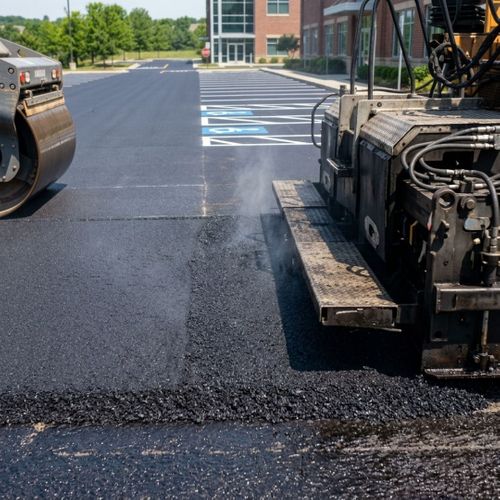
The Science of Asphalt Curing in High Temperatures
When we lay new asphalt, it must remain hot to ensure proper compaction and a smooth finish. However, once installed, it needs time to cool and cure. In the intense Hattiesburg heat, this curing process is significantly altered. While high temperatures can give our crews a bit more working time before the material stiffens, they can also cause the asphalt to remain soft for an extended period. This means the surface is more susceptible to indentations from heavy vehicles or sharp turns if traffic is allowed on it too soon.
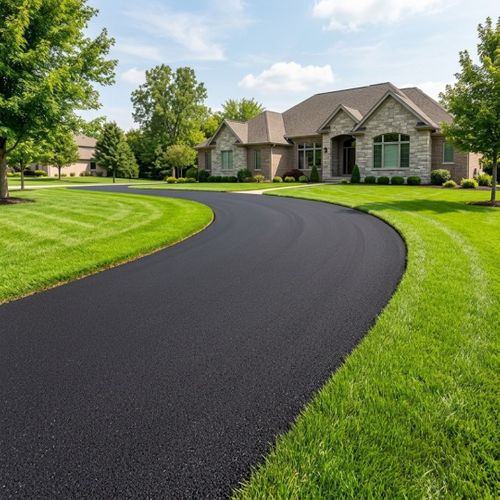
The Destructive Power of High Humidity and Moisture
Moisture is the natural enemy of a fresh asphalt installation. In the Pine Belt, coastal humidity often rolls in, creating a challenging environment for new pavement. High humidity slows down the oxidation process required for the asphalt binder to fully harden. Furthermore, if sudden summer thunderstorms occur during or immediately after laying the asphalt, trapped water can compromise the sub-base, leading to a weakened foundation. This moisture intrusion is the leading cause of premature deterioration, making proper timing and drainage planning essential for our projects.

Oxidation and the "Urban Heat Island" Effect
Direct sunlight and extreme UV exposure don't just keep the asphalt hot; they actively change its chemical composition. The intense Mississippi sun accelerates oxidation, a process where the oils binding the asphalt together begin to dry out. As the pavement absorbs heat, it can also contribute to an "Urban Heat Island" effect, further raising surface temperatures. This rapid oxidation can cause fresh asphalt to lose its flexibility faster than in milder climates, leading to surface bubbling, rippling, and eventual cracking if the mix and installation aren't perfectly calibrated for our region.
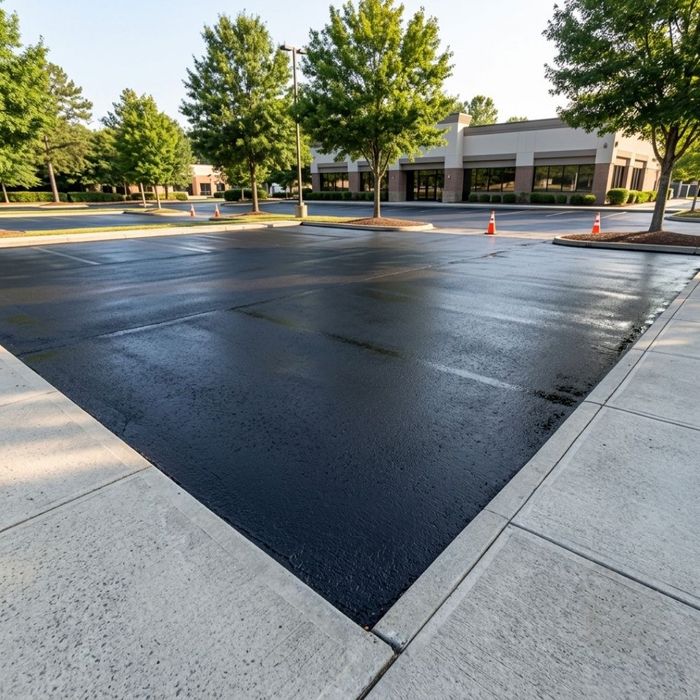
Combating Climate Challenges with Expert Paving
To ensure your investment withstands the demanding Hattiesburg environment, we employ specific strategies tailored to our climate. This starts with proper site preparation, ensuring a robust, compacted sub-base that resists moisture-induced shifting. We carefully monitor weather conditions to schedule installations during optimal dry windows. Most importantly, we recommend proactive maintenance, such as sealcoating, shortly after the initial curing period. Sealcoating acts as a vital barrier against both UV rays and moisture, drastically slowing oxidation and protecting the pavement from the rapid degradation caused by heat and humidity.
If you are planning an asphalt project in Hattiesburg or anywhere in South Mississippi, you need a contractor who understands the local climate. At Ace Asphalt Paving, we bring decades of experience dealing directly with the intense heat and heavy humidity that define our region. Don't let the weather ruin your investment before it even cures. Contact Ace Asphalt Paving today for a consultation or quote, and let our expert team design and install a durable asphalt surface built to last.